A Ford divulgou imagens de um protótipo do Mustang com motor central-traseiro. As fotos P&B mostram um carro ainda incompleto, mas fica claro que se trata de um Mustang ao olhar a parte traseira dos painéis.
As fotos datam de 1966. A fabricante consultou funcionários da época para mais detalhes, mas... nada. Um dos membros da Ford Performance, John Clor, levantou a hipótese de que se tratava do Mustang Mach 2, mas aquele carro era baseado em um chassi de 1967...
O que a Ford quer saber onde ele está agora. Para isto, a empresa pede a colaboração: entrar em contato com o departamento de clássicos da Ford pelo email clubhub@Ford.com.
Mostrando postagens com marcador história. Mostrar todas as postagens
sábado, 9 de maio de 2020
segunda-feira, 5 de dezembro de 2016
TVR History
TVR made its name for its hand-built sports cars that were as fast as they were fragile. Light, exceedingly powerful and utterly devoid of anything by way of a driver aid, TVRs were instantly identifiable from their aggressive aerodynamic bodies and the terrified, elated look on their drivers’ faces.
The exception to the rule in British car manufacturing, TVR was one of the first and greatest purveyors of the alluringly outlandish sports cars while the rest of the industry was busy making cars like the Morris Marina and Triumph T7; a touch of exotic in an otherwise conservative medium.
It's also got one of the most turbulent histories and reputations of any car manufacturer, with its gorgeous but notoriously unpredictable cars and with the company passing through several sets of hands and coming close to the brink of ruin on multiple occasions.
TVR’s amazing but slightly haphazard origins stretch back to the birth of its founder Trevor Wilkinson, an amateur in the truest sense of the word. Born in Blackpool in 1923, he left school with no qualifications before undertaking an apprenticeship as a mechanic and opening his own workshop, Trevcar Motors, in 1946.
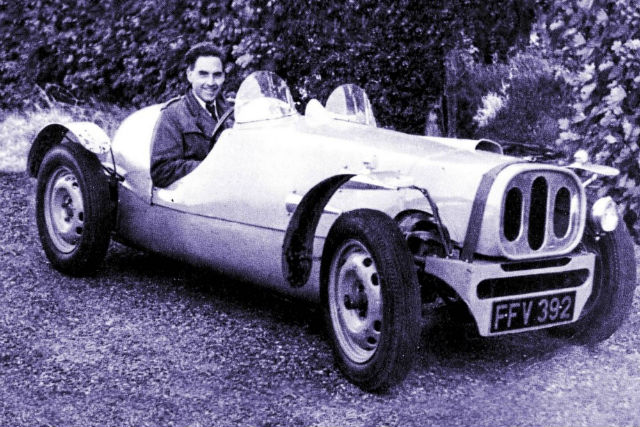
To relieve the drudgery of performing oil changes, Wilkinson decided to build himself a sports car despite lacking any sort of formal engineering training whatsoever. His first successful creation was built on the remains of an old pre-war Alvis, and by 1949 he had built up enough confidence to create a car all of his own from scratch.
Humble but haphazard beginnings
Wilkinson’s car was entirely self-made using spare parts lifted from whatever he could find lying around: the wheels and back axle from a Morris, a Ford engine and suspension springs lifted from a local dodgem ride.
After a cousin bought the car for £325, Wilkinson renamed the company to TVR Engineering and would set himself up as something of an ad-hoc car builder, creating his own chassis for customers who could then specify different engines and custom bodywork.
A “production” TVR wouldn’t appear until 1954 when the TVR Sports Saloon debuted, complete with the engine from an Austin A40 and a plastic body. Slightly crude, perhaps, but even this earliest TVR was exciting, with three sold for £650 each – roughly £16,400 in today’s money.
Four years later TVR had moved into a bigger location, a former brickworks in Hoo Hill. By now, Wilkinson had developed another new chassis that featured independent suspension and its mechanicals packaged within a tubular steel spaceframe, allowing the seats to be set lower and the car to be closer to the ground to improve handling.
An order created for an American customer, who took the spaceframe and used it to create a racing car, inspired Wilkinson to finally start creating his own official cars, with the fibreglass Grantura unveiled at the New York Auto Show and ready for customer orders.
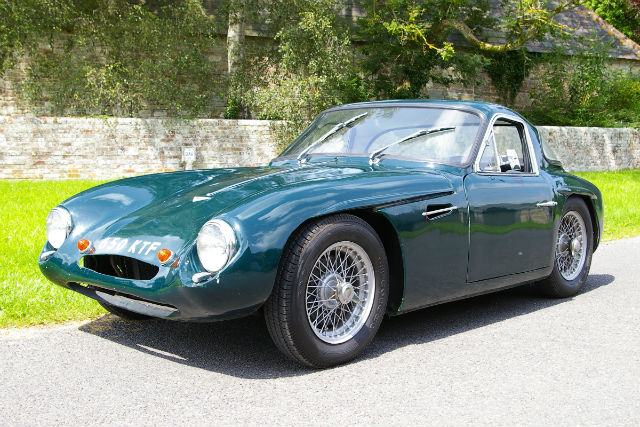
Short, stubby and squat, the Grantura looked a long way from later models like the Sagaris or the Tuscan, but already had a reputation for wicked handling and its wide choice of engines further broadened its appeal.
Orders started pouring in, but Wilkinson struggled to cope with the demand. Soon, TVR Engineering’s finances were taking a downward turn and the financiers who had been hired to keep the business afloat left the founder feeling so alienated from his own business that he left in 1962.
Interestingly, Wilkinson would actually continue to work alongside his former company for many years, taking sub-contract work for TVR after setting up an engineering business in his home town and continuing to develop his glass fibre car bodies.
Meanwhile, the Grantura had already given TVR a solid reputation for performance with the company rivalling Lotus as Britain’s best lightweight sports car builder. The basic ingredients of the car which Wilkinson had developed would form the basis of every TVR for the next decade or more.
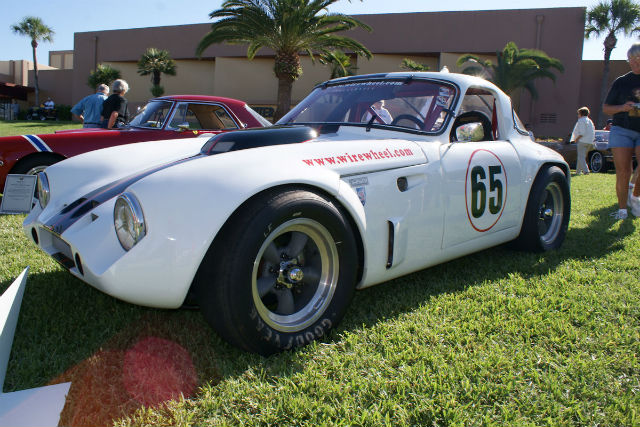
Although Wilkinson’s departure threw TVR into a period of disarray, it trundled on and its first true success came with the Griffith 200, a car named after American car dealer Jack Griffith who had ordered a Grantura and fitted it with the same powerful V8 engine from the AC Cobra.
Initial turmoil and eventual success
Producing up to 267bhp but weighing less than 830kg, the Griffith 200 was able to smash its way from 0-60mph in just 3.9 seconds and on to a top speed of 150mph: an absolutely phenomenal time for the mid-1960s.
Essentially a factory-built hot rod, the Griffith 200’s immense power, light weight and short wheelbase made them notoriously difficult to handle, something which would come to define TVR cars in the next few decades, but which only fuelled the cars’ appeal and growing mythical status.
The year after the Griffith 200 was introduced, the company again changed hands with shareholder Martin Lilley taking the helm. Under Lilley’s stewardship, TVR became a little more polished with cars like the Tuscan V8 and the Vixen brought in to replace the aging Grantura.
TVR now sought to capitalise on its new-found successes and introduced the M Series chassis, which used the same body-on-frame construction as previous TVR models with a front mid-engine, rear-wheel drive layout.
Each car built on the M Series underpinnings, which included models like the 1600M, 3000S and Taimar, held a reputation for being extremely capable on the road, but usually at the expense of any comfort. Their high power outputs and low weight, coupled with bodies constructed of glass-reinforced plastic, meant they were as fast as they were loud.
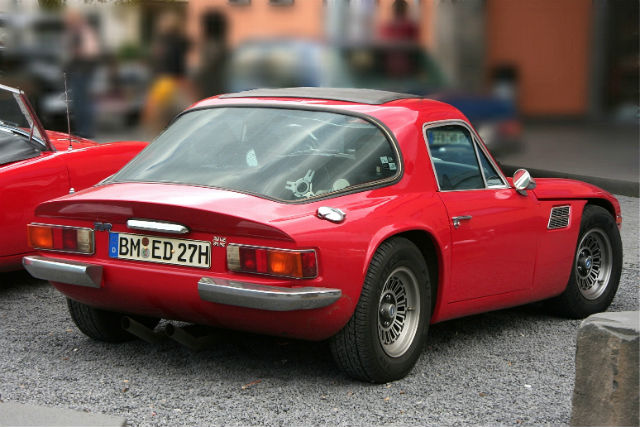
By the late 70s Lilley felt that the marque had outgrown beyond the M Series and TVR brought in Lotus designer Oliver Winterbottom to design a sleek new coupe. Dubbed the Tamsin, its construction was fraught with difficulties after the US federal government impounded several TVR cars found not to meet emissions regulations, costing the company hundreds of thousands of dollars.
Even when it did finally make production, Lilley described the Tamsin as an “absolutely dreadful” disappointment, even though the car did receive relatively positive reviews despite its then-controversial wedge-shaped design.
The car’s disappointing sales figures coincided with the early 1980s recession in Britain, bringing TVR once again to the brink of financial implosion. Towards the tail end of 1981, Lilley transferred control of the company to wealthy businessman and TVR fan Peter Wheeler, who wasted no time in putting his stamp on the company.
Under Wheeler, the naturally aspirated and turbocharged V6 engines which had featured in a majority of the Lilley-era cars were gone, replaced with Rover V8s and displacements swole from 3.5-litres to 5.0-litres or more.
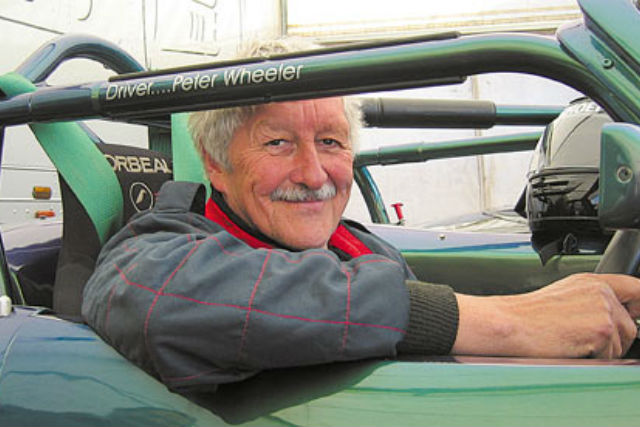
The Wheeler years
His first major development since buying out the company came with the introduction of the S Series models, which debuted at the 1986 British International Motor Show. Taking the same ingredients used on the M Series, the S Series marked the turning point in TVR’s flagging fortunes.
For a start, the company addressed one of its longest-running problems: the fact that it didn’t develop its own engines. In 1988 it sourced a V8 made by Holden for use in the S Series, but by the early 90s it set up its own in-house engine design unit, which created the Speed Eight engine, a 420bhp 4.5-litre V8 made of a special lightweight alloy.
First appearing in the Cerbera and the Tuscan, the Speed Eight led to the development of the Speed Six, an inline-six version which was used in later versions of the Cerbera and Tuscan, as well as in cars like the legendary Sagaris and Typhon.
Able to produce more than 405bhp, the Speed Six still holds the record for the most powerful naturally aspirated inline-six engine ever fitted to a production car, and as if that wasn’t enough by 1997 TVR had the idea of bolting two Speed Sixes together to make the Speed Twelve V12.
Such an insane engine required a suitably insane car to be dropped into, and TVR unveiled the Project 7/12 concept at the 1996 Birmingham Motorshow, a car which dominated the show and attracted more onlookers than any other vehicle there.
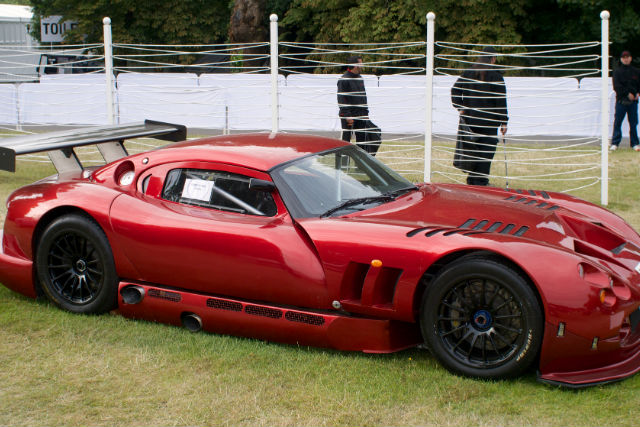
Powered by a 7.72-litre version of the Speed Twelve, the Project 7/12 would be developed for production as the Cerbera Speed 12, a 1,000bhp hypercar that at the time aimed to be the fastest car in the world, toppling the then-champion, McLaren’s F1.
The racing version of the Speed Twelve engine developed a maximum of 675bhp, but for the road car TVR’s engineers could remove the regulation air restrictors. According to reports, the full fury of the Speed Twelve was enough to snap the central shaft of the dynamometer it was tested on, and the engine could produce more than 1,000bhp.
Unfortunately, the Cerbera Speed 12 would never make it to production. Once the prototype was built and tested on the roads, Wheeler himself decided that the car was too powerful and too dangerous for customers and so scrapped it at the eleventh hour.
In its time, TVR had endured mismanagement, misplaced ambition and global recession and come out the other end relatively unscathed, the early 2000s would see Trevor Wilkinson’s dream finally snuffed out.
Nikolay Smolensky, the son of a Russian oligarch, would purchase the company from Wheeler for a reported £15m in 2004 and despite falling sales he claimed he would turn TVR around and, crucially, also ensure it would remain a British company.
Downfall of TVR
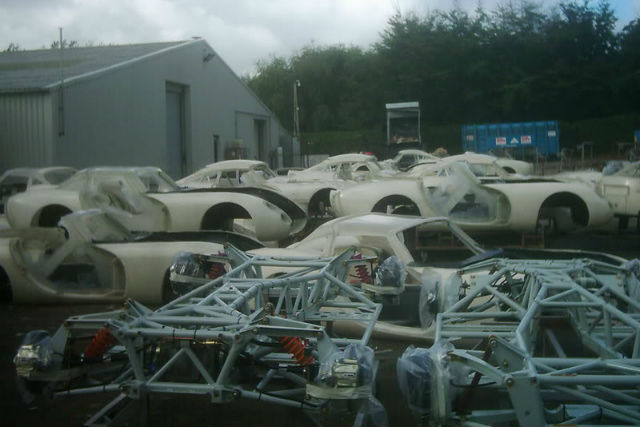
However, over the next two years, production would plummet from 12 cars a week to just three and Smolensky laid off some 300 staff at the Blackpool plant. He later announced that production and final assembly would move to a factory in Turin, with only the engines still built in the UK.
Optimism remained intact nonetheless and TVR planned to release a range of new models, but even by the late 90s the price of a TVR car had started to approach £60,000 or more. Not bad, perhaps, for an entirely bespoke specialist sports car, but issues regarding reliability and quality started to see sales swiftly dwindle.
In order to comply with US emissions regulations, TVRs sold in the US had to be powered by the engine from a Chevrolet Corvette, something which didn’t sit well with fans and which would have cost them nearly £100,000 for the privilege of owning.
Smolensky split the brand into a number of different companies and eventually threw in the towel, turning his attention to building wind turbines under the TVR name. Production finally ceased in 2006 and there TVR lay dormant for nearly a decade.
In the interim period the TVR name faded into obscurity, but among the ashes rumours started to build. On 6th June 2013, it was reported that Smolensky had pawned off his entire ownership of TVR to two British entrepreneurs, Les Edgar and John Chasey.
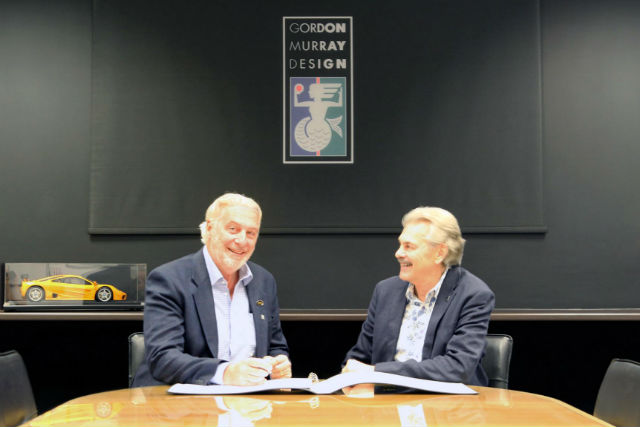
Edgar and Chasey wasted little time and last year had already previewed the design of a new TVR car via sketches, with an aim to producing as many as four new TVR-badged vehicles by 2017, starting with the first as-yet unnamed sports coupe concept.
Designed by Gordon Murray, the man behind the legendary McLaren F1, the new TVR will be powered by a Cosworth-engineered version of the Ford Coyote V8 that powers the new Mustang and is due to arrive next year, priced from around £55,000.
That makes it a fair bit cheaper than any other TVR car in decades, but the car has all the performance to match its predecessors too, with the Cosworth engine reportedly producing so much torque that it fried the dynamometer TVR was using to test it – just as the Cerbera Speed 12 had.
Exact details are still few and far between, but the first new TVR in eleven years will be a front-engined, rear-wheel drive two-seater with a manual gearbox and it’s expected to adhere to the spaceframe/glass fibre recipe as its forebears.
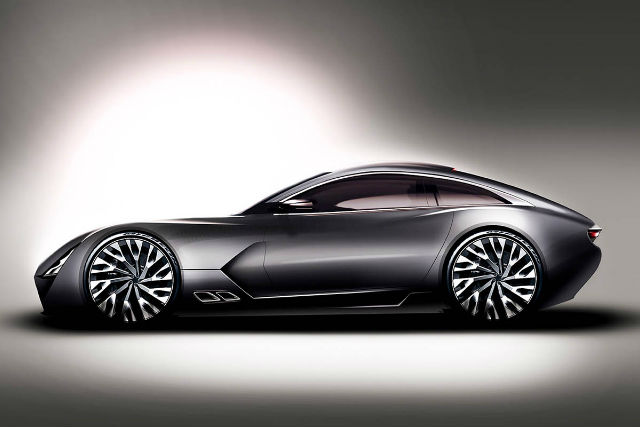
First new TVR in eleven years
It’s proven exciting enough than every single one of the car’s first year production run of 250 models have already sold out, with customers putting down £5,000 deposits in order to secure a car before it’s even been publicly revealed.
Given TVR’s troubled history, there’s no guarantee that the resurrected brand will be a success, or indeed whether the new car will even make it to production. After all, the Sagaris 2 was in the pipework for years before having the plug pulled on it.
But the company’s new helmsman Edgar has stressed that he’s fully committed to a “well-funded, well-supported organisation” with a “vastly experienced management system”, lightyears away from the patchy operation TVR’s previous owner operated.
Of course, until the new car is unveiled and finally unleashed you’ll just have to take TVR’s word for that. Still, the initial signs are positive and if TVR has proven anything, it’s that it’s more than capable of weathering virtually any storm thrown at it. In Edgar’s own words: “We’re here to stay”
Copy from: https://www.carkeys.co.uk/news/the-turbulent-history-of-tvr-britain-s-wildest-carmaker
terça-feira, 27 de setembro de 2016
Mercedes Benz Pullman History
George Mortimer Pullman was an entrepreneur who set about to create a sleeping car for rail travel. His career as a hotelier prompted him to notice the cramped and uncomfortable conditions that travelers faced when traveling overnight by rail. He determined to develop a railroad sleeping car which contained the blankets, comfortable cushions and space which travelers only had in the past if they brought these things along with them on their travels. His Pioneer sleeping car was patented in 1868, and from then on, his dream of creating a revolution in railroad travel was realized.

People in the thousands were choosing to pay much more to travel in his Pullman wagons; then referred to with the praise “the world’s greatest hotel”. The Pullman Palace Car Company took his luxurious design and brought spaciousness and comfort to automobile manufacturers. Pullman built the bodies for the exclusive vehicles. The Pullman coach came to stand for the highest quality of luxury. Pullman vehicle bodies were designed with a much longer wheelbase than other cars. This allowed Mercedes-Benz to develop vehicles with two, and more, rows of seats and four to six windows and doors. This allowed for space for a chauffeur to drive the wealthy owners, and this has remained standard until the present day.
Though production series have ended and new ones begun, the Pullman Saloon wheelbase has remained. Some newer series were created with armor to protect dignitaries. The concept of a significantly longer wheelbase has remained the basis for each subsequent series. As special anniversaries have come and gone, the company has launched newer versions of its Pullman saloons. Increased wheelbase length has provided options for these vehicles to be used as mobile offices for conferences. Two recent models carrying on the Pullman traditions are the 2015 and 201b Mercedes-Maybach S 600 Pullman vehicles.
1964-1981-mercedes-benz-600-pullman-limousine-photo-317065-s-1280x782
Original Specifications
The 600 series were much larger than anything Mercedes had produced previously. They were not only longer, but they weighed much more and had amenities which were driven hydraulically. All of these things combined needed extra power, so the company developed a V8 engine that could do twice as much. It included a Bosch designed for fuel injection pump.
The hydraulic system was used to provide power for the automatic doors, windows, trunk lid, seats and sun roof. Ride quality and handling were improved and made uniform with an air suspension system which was adjustable. Passengers could enjoy smoother rides over almost any road.
The 600 variations produced between 1963 and 1981 were unified by common specifications:
Front mounted V8 engine
Sequential fuel injection
Fuel tank capacity of 29.6 US gallons
Water cooling system
Four speed automatic gearbox with rear wheel drive and axle ration of 3.23:1
12 volt electrical system
Maximum power @ rpm: 250 hp @ 4000
Maximum torque @ rpm: 500 N-m @ 2800
Power assisted disc brakes in front and rear
Power assisted, recirculating ball steering
Unibody, sheet steel construction
Dry weight: 5,700 pounds to 6,110 pounds, dependent on model
Wheelbase: 130 inches to 150 inches
Length: 215 inches to 246 inches
Top speeds: 127.3 mph to 120 mph
Hydraulic system operates at 3200 psi with mineral oil lubricant
Original Price: $22,000 to $24,000
Costs
The 1963–1981 Mercedes-Benz 600 is the only production with a cost is no object plan. Though the original price was in the $22,000 range, current values exceed that by well over four times. The costs for scheduled maintenance can cost as much as a new, smaller car. When someone decides to fully restore one, it can cost in the seven figure range. The 600s are viewed as singularly artistic constructions. They run well, with silent interiors, and passengers enjoying the height of luxury. Price at this level means nothing… a mere bag of shells.
The 2016 Mercedes -Maybach Pullman costs approximately $566,922. It has:

A V12 engine
Horsepower @ rpm: 523
Torque @ rpm: 612 @ 1900
Displacement: 5980 cc
A 0 to 60 time estimated at 7 seconds
A top speed estimated at 155 mph
Pullman
Famous Owners
The Mercedes Pullman has been owned by the history makers of the world. These have included those born to royal blood lines and those who earned royal status due their stardom. German Emperor Wilhelm II housed his “Grand Mercedes” and his Pullman 260 D in his garage. The latter of the two is famous for its place as the first passenger car ever to run on diesel fuel. It’s also named the Mercedes-Benz W 138. The place it rightfully owns as a significant automotive pioneer is secure in history.
Head of State Konrad Adenauer selected a Type 300; the great Mercedes-Benz W 186 and then a W 189 as his formal transportation during the 1950s. His was called the Adenauer Benz. Following his lead, those in other countries who also bore similar duties became owners of their own.
Through the years, the original Pullman structure; the famous extra-long wheelbase was used for several Mercedes-Benz models. The original design has inspired four generations of saloons in the years to follow. From 1964 to 1981, Pullman W 100 was the vehicle of choice for the Shah of Persia, John Lennon and Elvis Presley.
Other distinguished 600 owners have been the Pope, Kim Jong-un, Elizabeth Taylor, George Harrison, Jack Nicholson, Hugh Hefner, Simon Spies, Aristotle Onassis, Coco Chanel, Karen Carpenter, Jay Kay, Bob Jane, Ronnie Wood, Rowan Atkinson, Frank Packer, Jeremy Clarkson and Jay Leno.
A partial list of notable political and religious leaders that have owned 600 models includes:
The Pullman’s Cultural Significance
When considering the list of public figures who have owned one, the model 600 has certainly made a reputation as the vehicle of choice for the wealthy. It was and continues to be a luxurious vehicle which has been refined to near perfection throughout its history. Its design and reputation are both massive. The bodywork alone is heavy, but the vehicle’s presence is regal. The roster of owners is somewhere over 600, though not all are publicly confirmed.
Much of its reputation is due to the Mercedes-Benz commitment to performance, driving enjoyment, safety and style. The company maintains the position that it has often created the standard for all other car brands. It views its place in the world of cars as the pacesetter for “what all other cars could become someday”.
Cultures around the world have recognized the history making nature of the first Pullman saloon and the models which have followed it. Anyone who could afford what has been perceived by many as the best in the world bought one.
The Mercedes Pullman is a distinctive car with a distinctive history and presence. It is a symbol of prestige and luxury for those who own it, and for those who wish they could. It is a vehicle made to exacting specifications, for exacting clientele, and it is an icon of status in countries all over the world.

People in the thousands were choosing to pay much more to travel in his Pullman wagons; then referred to with the praise “the world’s greatest hotel”. The Pullman Palace Car Company took his luxurious design and brought spaciousness and comfort to automobile manufacturers. Pullman built the bodies for the exclusive vehicles. The Pullman coach came to stand for the highest quality of luxury. Pullman vehicle bodies were designed with a much longer wheelbase than other cars. This allowed Mercedes-Benz to develop vehicles with two, and more, rows of seats and four to six windows and doors. This allowed for space for a chauffeur to drive the wealthy owners, and this has remained standard until the present day.
Though production series have ended and new ones begun, the Pullman Saloon wheelbase has remained. Some newer series were created with armor to protect dignitaries. The concept of a significantly longer wheelbase has remained the basis for each subsequent series. As special anniversaries have come and gone, the company has launched newer versions of its Pullman saloons. Increased wheelbase length has provided options for these vehicles to be used as mobile offices for conferences. Two recent models carrying on the Pullman traditions are the 2015 and 201b Mercedes-Maybach S 600 Pullman vehicles.
1964-1981-mercedes-benz-600-pullman-limousine-photo-317065-s-1280x782
Original Specifications
The 600 series were much larger than anything Mercedes had produced previously. They were not only longer, but they weighed much more and had amenities which were driven hydraulically. All of these things combined needed extra power, so the company developed a V8 engine that could do twice as much. It included a Bosch designed for fuel injection pump.
The hydraulic system was used to provide power for the automatic doors, windows, trunk lid, seats and sun roof. Ride quality and handling were improved and made uniform with an air suspension system which was adjustable. Passengers could enjoy smoother rides over almost any road.
The 600 variations produced between 1963 and 1981 were unified by common specifications:
Front mounted V8 engine
Sequential fuel injection
Fuel tank capacity of 29.6 US gallons
Water cooling system
Four speed automatic gearbox with rear wheel drive and axle ration of 3.23:1
12 volt electrical system
Maximum power @ rpm: 250 hp @ 4000
Maximum torque @ rpm: 500 N-m @ 2800
Power assisted disc brakes in front and rear
Power assisted, recirculating ball steering
Unibody, sheet steel construction
Dry weight: 5,700 pounds to 6,110 pounds, dependent on model
Wheelbase: 130 inches to 150 inches
Length: 215 inches to 246 inches
Top speeds: 127.3 mph to 120 mph
Hydraulic system operates at 3200 psi with mineral oil lubricant
Original Price: $22,000 to $24,000
Costs
The 1963–1981 Mercedes-Benz 600 is the only production with a cost is no object plan. Though the original price was in the $22,000 range, current values exceed that by well over four times. The costs for scheduled maintenance can cost as much as a new, smaller car. When someone decides to fully restore one, it can cost in the seven figure range. The 600s are viewed as singularly artistic constructions. They run well, with silent interiors, and passengers enjoying the height of luxury. Price at this level means nothing… a mere bag of shells.
The 2016 Mercedes -Maybach Pullman costs approximately $566,922. It has:

A V12 engine
Horsepower @ rpm: 523
Torque @ rpm: 612 @ 1900
Displacement: 5980 cc
A 0 to 60 time estimated at 7 seconds
A top speed estimated at 155 mph
Pullman
Famous Owners
The Mercedes Pullman has been owned by the history makers of the world. These have included those born to royal blood lines and those who earned royal status due their stardom. German Emperor Wilhelm II housed his “Grand Mercedes” and his Pullman 260 D in his garage. The latter of the two is famous for its place as the first passenger car ever to run on diesel fuel. It’s also named the Mercedes-Benz W 138. The place it rightfully owns as a significant automotive pioneer is secure in history.
Head of State Konrad Adenauer selected a Type 300; the great Mercedes-Benz W 186 and then a W 189 as his formal transportation during the 1950s. His was called the Adenauer Benz. Following his lead, those in other countries who also bore similar duties became owners of their own.
Through the years, the original Pullman structure; the famous extra-long wheelbase was used for several Mercedes-Benz models. The original design has inspired four generations of saloons in the years to follow. From 1964 to 1981, Pullman W 100 was the vehicle of choice for the Shah of Persia, John Lennon and Elvis Presley.
Other distinguished 600 owners have been the Pope, Kim Jong-un, Elizabeth Taylor, George Harrison, Jack Nicholson, Hugh Hefner, Simon Spies, Aristotle Onassis, Coco Chanel, Karen Carpenter, Jay Kay, Bob Jane, Ronnie Wood, Rowan Atkinson, Frank Packer, Jeremy Clarkson and Jay Leno.
A partial list of notable political and religious leaders that have owned 600 models includes:
- The first President of Indonesia, Soekarno
- President Anastasio Somoza Debayle of Nicaragua
- Guru Maharaj Ji
- King Khalid Bin Abdulaziz Al Saud, the fourth king of the Kingdom of Saudi Arabia
- Nicolae Ceausescu
- Pol Pot
- Park Chung-hee
- Francois “Papa Doc” Duvalier
- Enver Hoxha
- Josip Broz
- Emperor Hirohito
- Leonid Brezhnev
- Jean-Bedel Bokassa
- Jomo Kenyatta
- F.W. de Klerk
- Robert Mugabe
- Idi Amin
- Daniel Moi
- Fidel Castro
- Kim Il-sun and Kim Jong-il, North Korea
- Ferdinand Marcos
- Saddam Hussein
- Shah of Iran, Mohammad Reza Pahlavi
- Mao Zedong
- Senegalese President Leopold Sedar Senghor
- King of Cambodia Norodom Sihanouk
- Colombian drug dealer Pablo Escobar
The Pullman’s Cultural Significance
When considering the list of public figures who have owned one, the model 600 has certainly made a reputation as the vehicle of choice for the wealthy. It was and continues to be a luxurious vehicle which has been refined to near perfection throughout its history. Its design and reputation are both massive. The bodywork alone is heavy, but the vehicle’s presence is regal. The roster of owners is somewhere over 600, though not all are publicly confirmed.
Much of its reputation is due to the Mercedes-Benz commitment to performance, driving enjoyment, safety and style. The company maintains the position that it has often created the standard for all other car brands. It views its place in the world of cars as the pacesetter for “what all other cars could become someday”.
Cultures around the world have recognized the history making nature of the first Pullman saloon and the models which have followed it. Anyone who could afford what has been perceived by many as the best in the world bought one.
The Mercedes Pullman is a distinctive car with a distinctive history and presence. It is a symbol of prestige and luxury for those who own it, and for those who wish they could. It is a vehicle made to exacting specifications, for exacting clientele, and it is an icon of status in countries all over the world.
quarta-feira, 27 de abril de 2016
PAGANI - História!
Você saberia responder o que faz do PAGANI ZONDA o carro mais exclusivo do planeta? Na concepção de seu criador, o designer Horacio Pagani, o superesportivo não é apenas um automóvel. É mais que um objeto de desejo, cuja concepção é a síntese do estado da arte, ao reunir a mais avançada tecnologia dos carros de corrida, design, requinte em cada detalhe e exclusividade, na medida em que apenas 25 unidades são montadas por ano, uma diferente da outra na combinação de acabamentos.
-
A história
O maior sonho de Horacio Raul Pagani, um argentino radicado na Itália, em construir e projetar o seu próprio super-carro, começou a tornar-se realidade em 1988 quando os primeiros rascunhos do “Projeto C8″ foram mostrados pela primeira a vez ao amigo e conterrâneo Juan Manoel Fangio, pentacampeão mundial de Fórmula 1. O carro era para ser chamado de Fangio F1 como tributo ao grande campeão, o que mostrava o respeito que Horacio nutria por ele. Em 1992, ele começou a construir um protótipo e o primeiro modelo foi testado no túnel de vento de Dallara no ano seguinte. Os resultados positivos obtidos marcaram o início de um longo período de design e definição dos pormenores construtivos. Foi nesta altura que Fangio apresentou Horacio à Mercedes-Benz, empresa com a qual estava ligado devido à sua série de vitórias históricas na Formula 1.
-A empresa alemã logo percebeu que o projeto valia a pena e, em 1994, acordou oficialmente o fornecimento do seu poderoso motor V12 para equipar o bólido. O resultado desse acordo seria um dos mais belos e eficientes conjuntos do planeta. Depois de mais de 4 anos de trabalho árduo, Horacio obteve o “type approval” para a versão aberta do cupê do Projeto C8. Finalmente o primeiro PAGANI ZONDA C12 foi apresentado em 1999 no Salão de Genebra. Feito em fibra de carbono, o bólido acelerava de 0 a 100 km/h em 3,5 segundos, atingia velocidade máxima de 345 km/h e tinha frenagem de 200 a 0 km/h em apenas 4,4 segundos. O carro é inspirado no Mercedes Group C Silver Arrows.
-
Após a morte de Juan Manuel Fangio em 1995, Horacio não se atreveu a chamar o carro de Fangio F1. Decidiu por adotar o nome de ZONDA, nome de um vento forte, seco e quente que sopra dos Andes argentinos a mais de 200 quilômetros por hora, em respeito ao grande homem. Nem bem foi lançado no mercado e o Zonda se transformou num sucesso. Jornalistas especializados e a própria concorrência reconheceram no superesportivo um verdadeiro puro-sangue. Desde a sua primeira aparição, ficou muito claro que não era apenas uma aventura, um dos numerosos protótipos destinados a permanecer como carro conceito, mas um sonho que foi transformado em uma brilhante realidade. Os pedidos começaram a crescer, e com a capacidade diminuta da pequena montadora, aliada a produção artesanal de cada modelo, o tempo de espera por um PAGANI ZONDA era enorme. Em 2005, a montadora italiana anunciou um aumento em sua capacidade produtiva, e finalmente em 2007, ingressou oficialmente no mercado americano. Recentemente a ligação com a divisão AMG da Mercedes-Benz para o fornecimento de motores foi intensificada, com o desenvolvendo de um motor exclusivo, o ME 158, que estreará em 2010. Por motor exclusivo, entenda ainda mais potente e fantástico.
-
-
Os objetos de desejoAtualmente, além de possuir uma produção extremamente restrita a poucas unidades por ano, a PAGANI, possui uma pequena linha de automóveis disponíveis a raros mortais que possuam milhões de dólares para comprá-los:
PAGANI ZONDA F
Com seus 4.435 metros de comprimento, por 2.055 metros de largura e 1.141 metros de altura, o Zonda F é um carro para apenas duas pessoas, aliás, duas privilegiadíssimas pessoas. Em compensação, debaixo do capô, há uma “superpopulação de cavalos”. O motor Mercedes-Benz AMG 12 cilindros em V e 48 válvulas rende nada menos do que 659 cv, que conduzem os dois mortais privilegiados citados anteriormente ao Nirvana automotivo. Sua produção é restrita a no máximo 25 unidades por ano.
-
-
PAGANI ZONDA ROADSTER
Produzido em uma edição limitada de 40 unidades, completamente feitas à medida, o Zonda Roadster reflete a filosofia PAGANI: une as tecnologias mais inovadoras com o carinho do trabalho artesanal. O modelo foi concebido em torno de idéias verdadeiramente inovadoras e tecnológicas, com especial atenção para a segurança, dando exclusividade a seu acabamento exemplar. A personalização do produto, exclusividade da pequena montadora italiana, é realizada de acordo com a escolha do proprietário do carro. A escolha de materiais como o couro PAGANI, feito pela própria equipe de artesãos, ou componentes em alumínio e fibra de carbono. O resultado é uma convergência de olhares, elementos estéticos, aromas e sons que coincidem com o bom gosto e a personalidade do condutor. Cada modelo é um extraordinário e muito pessoal objeto de desejo com sua própria história: “um carro com alma”.
PAGANI ZONDA ROADSTER FA pequena montadora orgulha-se em desvendar o Roadster F, uma nova jóia na família Zonda. Feito à mão, construído no Atelier Pagani, limitado em 25 unidades, o modelo oferece a excelente condução e desempenho do F Coupé, reforçada pelo prazer de dirigir com uma suave brisa nos cabelos, graças a um teto original feito de fibras de carbono e tecidos (removível em poucos segundos). A Roadster F mostra a forma sinuosa e aerodinâmica da carroçaria, proeminência das arestas e linhas elegantes, o que faz denotar, à primeira vista, seu extraordinário potencial O modelo não é um carro de corrida. É sim uma jóia artesanal feita na Itália, uma vertigem de emoções, uma obra-prima para os conhecedores que gostam de conduzir depressa. Muito rápido. Como o coração batendo dentro de sua alma. O mais rápido, mais exclusivo, mais poderoso e mais caro Roadster no mundo.
PAGANI ZONDA S 7.3
É equipado com um motor AMG Mercedes-Benz, 7.3 litros, 12 cilindros com 555 HP (408 kW) e 750 Nm de torque a 4050 RPM. Este motor é projetado e construído artesanalmente, dedicado aos mais altos padrões tecnológicos.
PAGANI ZONDA RO mais novo supercarro construído pela montadora, tem 90% de peças novas em relação ao seu antecessor, o Zonda F. O superesportivo é equipado com um poderosíssimo motor V12 de 6.0 litros, que desenvolve nada menos que 750 cv de potência máxima. O câmbio é seqüencial AMT de seis velocidades, com troca de marcha feita por mei1 de alavancas no volante. O primeiro carro da série ficará com a fábrica, em uma sala feita de fibra de carbono, titânio e avional, com som ambiente do motor do carrão gritando alto em Nürburgring e Le Mans. Quem puder pleitear o prazer de dirigir esta obra-prima, apenas 16 unidades serão construídas, terá de desembolsar 1.8 milhões de euros, sem contar os impostos.
-
-
-Os objetos de desejoAtualmente, além de possuir uma produção extremamente restrita a poucas unidades por ano, a PAGANI, possui uma pequena linha de automóveis disponíveis a raros mortais que possuam milhões de dólares para comprá-los:
PAGANI ZONDA F
Com seus 4.435 metros de comprimento, por 2.055 metros de largura e 1.141 metros de altura, o Zonda F é um carro para apenas duas pessoas, aliás, duas privilegiadíssimas pessoas. Em compensação, debaixo do capô, há uma “superpopulação de cavalos”. O motor Mercedes-Benz AMG 12 cilindros em V e 48 válvulas rende nada menos do que 659 cv, que conduzem os dois mortais privilegiados citados anteriormente ao Nirvana automotivo. Sua produção é restrita a no máximo 25 unidades por ano.
-
-PAGANI ZONDA ROADSTER
Produzido em uma edição limitada de 40 unidades, completamente feitas à medida, o Zonda Roadster reflete a filosofia PAGANI: une as tecnologias mais inovadoras com o carinho do trabalho artesanal. O modelo foi concebido em torno de idéias verdadeiramente inovadoras e tecnológicas, com especial atenção para a segurança, dando exclusividade a seu acabamento exemplar. A personalização do produto, exclusividade da pequena montadora italiana, é realizada de acordo com a escolha do proprietário do carro. A escolha de materiais como o couro PAGANI, feito pela própria equipe de artesãos, ou componentes em alumínio e fibra de carbono. O resultado é uma convergência de olhares, elementos estéticos, aromas e sons que coincidem com o bom gosto e a personalidade do condutor. Cada modelo é um extraordinário e muito pessoal objeto de desejo com sua própria história: “um carro com alma”.
PAGANI ZONDA ROADSTER FA pequena montadora orgulha-se em desvendar o Roadster F, uma nova jóia na família Zonda. Feito à mão, construído no Atelier Pagani, limitado em 25 unidades, o modelo oferece a excelente condução e desempenho do F Coupé, reforçada pelo prazer de dirigir com uma suave brisa nos cabelos, graças a um teto original feito de fibras de carbono e tecidos (removível em poucos segundos). A Roadster F mostra a forma sinuosa e aerodinâmica da carroçaria, proeminência das arestas e linhas elegantes, o que faz denotar, à primeira vista, seu extraordinário potencial O modelo não é um carro de corrida. É sim uma jóia artesanal feita na Itália, uma vertigem de emoções, uma obra-prima para os conhecedores que gostam de conduzir depressa. Muito rápido. Como o coração batendo dentro de sua alma. O mais rápido, mais exclusivo, mais poderoso e mais caro Roadster no mundo.
PAGANI ZONDA S 7.3
É equipado com um motor AMG Mercedes-Benz, 7.3 litros, 12 cilindros com 555 HP (408 kW) e 750 Nm de torque a 4050 RPM. Este motor é projetado e construído artesanalmente, dedicado aos mais altos padrões tecnológicos.
PAGANI ZONDA RO mais novo supercarro construído pela montadora, tem 90% de peças novas em relação ao seu antecessor, o Zonda F. O superesportivo é equipado com um poderosíssimo motor V12 de 6.0 litros, que desenvolve nada menos que 750 cv de potência máxima. O câmbio é seqüencial AMT de seis velocidades, com troca de marcha feita por mei1 de alavancas no volante. O primeiro carro da série ficará com a fábrica, em uma sala feita de fibra de carbono, titânio e avional, com som ambiente do motor do carrão gritando alto em Nürburgring e Le Mans. Quem puder pleitear o prazer de dirigir esta obra-prima, apenas 16 unidades serão construídas, terá de desembolsar 1.8 milhões de euros, sem contar os impostos.
-
PAGANI ZONDA AVIONAL 1:5Exclusiva série limitada do modelo Zonda F. Construído a partir de um bloco Avional de 162 kg, o modelo finalizado gira em torno de 26 kg e reproduz em cada detalhe o Zonda F na versão Roadster, em uma escala de 1:5. A montagem é realizada com base nos desenhos originais da produção do veículo. Cada detalhe do carro está acabado meticulosamente, desde os spoilers, os pneus, os freios e os espelhos, todos nos mínimos detalhes. As delicadas peças exigem 7 dias de trabalho qualificados pela mão de um perito artesão. Estas operações serão realizadas por 50 vezes, exatamente como aconteceu com o carro real, 25 Coupé e 25 Roadsters serão construídos. Os modelos em miniatura transportam os números de chassis dos seus homólogos em tamanho natural, que serão gravados em um tag ao lado do nome do proprietário e do tipo do modelo. Cada miniatura é acompanhada de um certificado de autenticidade e uma dedicação, assinada por Horacio Pagani. A base opcional estilizada por Modena Design é feita no tecido de fibras de carbono Zonda. O pacote é completado por uma caixa de madeira, contendo, quer a escala do modelo ou a escala modelo com a base de fibras de carbono. O modelo Zonda Avional 1:5 é vendido com um exemplar original do projeto na folha mostrando a planície de 4 vistas do carro, como um presente especial. Esta folha preciosa, tamanho 840 x 594 mm, é a mesma utilizada dentro do Centro de Estilo Pagani Automobili. A impressão a cores mostra a vista lateral do carro e a visualização do projeto 3D. Ambas as impressões são no tamanho 840 x 594 mm e assinado por Horacio Pagani.
-
-
O gênio por trás da marca
Horacio Pagani teve (e continua tendo) uma vida surpreendente. Sua paixão por carros, velocidade e design surgiu muito cedo e, com 12 anos de idade, ele passou a mostrar seu talento com os modelos de super carros esculpidos em madeira ou modelados em argila. Horacio fez sua estréia no mundo das corridas de automóveis quando tinha 20 anos, projetando um F3 que competiu na Argentina sob as cores da equipe oficial Renault. Depois veio um grande número de projetos em design industrial, o que fez com que tivesse um acelerado aprendizado, combinando uma mistura de criatividade e uma maníaca busca por perfeição. Ele conheceu Juan Manuel Fangio, seu herói na infância, que se tornou a pessoa certa para iniciá-lo em Modena, cidade que a “casa” de lendas como Ferrari e Lamborghini.
-
-
Foi o engenheiro Alfieri que cedeu ao jovem Horacio o espaço para expressar sua imaginação e destreza manual. Começou como mecânico de terceiro nível no departamento de carroçaria da Lamborghini, mas foi rapidamente promovido a gerente do departamento de um novo material composto. Participou de todos os projetos importantes daqueles anos: a LMA Jeep, a re-estilização do Jalpa, o desenho da Countach Evoluzione (o primeiro carro do mundo com chassis cem por cento de carbono), o Golf Caddy e o Countach 4 válvulas. Em 1988, Horacio criou a Pagani Composite Research, que realizou vários projetos, incluindo a re-estilização do Countach, para os quais a empresa também forneceu os detalhes finais em materiais. Naquela ocasião, Pagani trabalhou com a equipe que projetou o Diablo, o Lamborghini P140. Em 1992, ele fundou a Modena Design, empresa que visava atender a enorme demanda por serviços de design, engenharia, construção de modelos, moldes e protótipos. Horacio Pagani transmitiu ao seu grupo sua própria paixão e rigor dos métodos de trabalho, conseguindo um compromisso difícil entre a arte e a tecnologia.
-
-
Dados corporativos
● Origem: Itália● Fundação: 1992● Fundador: Horacio Pagani
● Sede mundial: Modena, Itália● Proprietário da marca: Pagani Automobili S.p.A.
● Capital aberto: Não
● CEO & Presidente: Horacio Pagani● Faturamento: Não divulgado
● Lucro: Não divulgado
● Produção anual: 25 unidades● Presença global: 50 países● Presença no Brasil: Sim● Funcionários: 250● Segmento: Automotivo
● Principais produtos: Carros superesportivos de luxo● Ícones: o carro Pagani Zonda F● Website: www.paganiautomobili.it
-
A marca no mundoOs exclusivos automóveis da PAGANI, desde seu lançamento foram produzidas pouco mais de 100 unidades, são comercializados através de uma pequena rede de concessionárias e distribuidores presentes em mais de 20 países ao redor do mundo.
-
Você sabia?
● A combinação perfeita entre potência e design da marca PAGANI foi responsável pelo recorde da pista de Nürburgring na Alemanha. No tradicional traçado alemão de 20,8 km, a versão Clubsport do Zonda “virou” 7min27s820 e detém o tempo mais rápido entre os carros vendidos em série no mundo.
-
-As fontes: as informações foram retiradas e compiladas do site oficial da empresa (em várias línguas), revistas (Fortune, Forbes, Newsweek, BusinessWeek e Time), sites especializados em Marketing e Branding (BrandChannel e Interbrand), Wikipedia (informações devidamente checadas) e sites financeiros (Google Finance, Yahoo Finance e Hoovers).
-
Última atualização em 8/2/2009
-
Você sabia?
● A combinação perfeita entre potência e design da marca PAGANI foi responsável pelo recorde da pista de Nürburgring na Alemanha. No tradicional traçado alemão de 20,8 km, a versão Clubsport do Zonda “virou” 7min27s820 e detém o tempo mais rápido entre os carros vendidos em série no mundo.
-
-As fontes: as informações foram retiradas e compiladas do site oficial da empresa (em várias línguas), revistas (Fortune, Forbes, Newsweek, BusinessWeek e Time), sites especializados em Marketing e Branding (BrandChannel e Interbrand), Wikipedia (informações devidamente checadas) e sites financeiros (Google Finance, Yahoo Finance e Hoovers).
-
Última atualização em 8/2/2009
Fonte: http://mundodasmarcas.blogspot.com.br/2009/02/pagani.html
sexta-feira, 20 de março de 2015
sexta-feira, 6 de fevereiro de 2015
terça-feira, 27 de janeiro de 2015
Carros abandonados de Fukushima
O pessoal do Flat Out nos brindou com uma ótima reportagem sobre os carros abandonados de Fukishima... abaixo seguem as fotos. Matéria completa em: http://www.flatout.com.br/fukushima-a-cidade-fantasma-que-se-tornou-um-cemiterio-de-carros-radioativos/
Assinar:
Postagens (Atom)


